
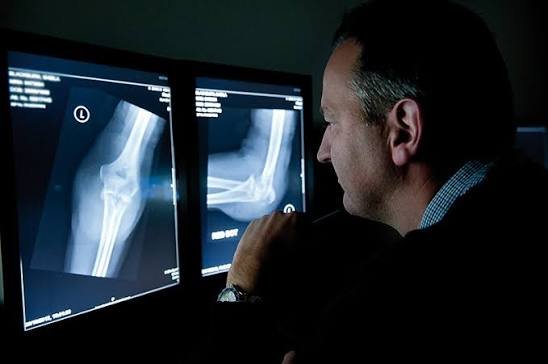
Radiology reporting plays a vital role in accurate diagnosis and effective patient care. As hospitals experience increasing diagnostic imaging demands, choosing the right reporting model becomes essential. Two common approaches are in-house radiology reporting and outsourced radiology reporting. But which option is better for hospitals?
What Is In-House Radiology Reporting?
In-house radiology reporting involves employing radiologists directly within the hospital to interpret medical images, including X-rays, CT scans, and MRI scans.
Benefits:
- Direct communication between radiologists and treating doctors.
- Greater control over reporting workflows.
- Immediate access to radiology expertise during working hours.
- Better coordination with hospital departments.
Challenges:
- Higher recruitment and staffing costs.
- Limited availability during nights, weekends, and holidays.
- Difficulty managing sudden increases in imaging volumes.
- Dependence on a limited number of radiologists.
What Is Outsourced Radiology Reporting?
Outsourced radiology reporting involves partnering with an external radiology service provider that offers remote image interpretation and diagnostic reporting. Through teleradiology technology, hospitals can securely share medical images with qualified radiologists for reporting.
Benefits:
- Access to 24/7 radiology reporting services.
- Reduced staffing and operational expenses.
- Access to a wider network of experienced radiologists.
- Faster management of high imaging volumes.
- Greater flexibility during emergencies and peak workloads.
- Reduced dependence on an in-house radiology team.
Challenges:
- Dependence on a reliable external service provider.
- Need for secure image transmission and data protection.
- Coordination and communication between hospital staff and remote radiologists.
In-House vs Outsourced Radiology Reporting: Key Differences
| Factors | In-House Reporting | Outsourced Reporting |
|---|---|---|
| Staffing | Hospital-employed radiologists | External radiology team |
| Availability | Depends on staff schedules | Can offer 24/7 coverage |
| Cost | Higher fixed staffing costs | Flexible service costs |
| Scalability | Limited by available staff | Easier to scale |
| Expertise | Depends on recruited specialists | Access to a wider specialist network |
| Flexibility | Comparatively limited | Greater operational flexibility |
Which Radiology Reporting Model Should Hospitals Choose?
The right choice depends on a hospital’s patient volume, budget, staffing availability, and diagnostic requirements.
In-house reporting may be suitable for hospitals that require continuous on-site radiologist support and direct clinical collaboration.
Outsourced radiology reporting can be a better option for hospitals looking to expand reporting coverage, manage increasing workloads, reduce staffing challenges, and provide round-the-clock diagnostic support.
Many hospitals can also benefit from a hybrid model, combining an in-house radiology team with outsourced teleradiology services for after-hours coverage, emergency cases, and additional reporting requirements.
Conclusion
Both in-house and outsourced radiology reporting offer valuable benefits. However, as healthcare demands continue to grow, outsourced teleradiology is becoming an effective solution for hospitals seeking flexibility, scalability, and timely diagnostic reporting.
By choosing the right reporting model, hospitals can optimise resources, improve workflow efficiency, and support better patient care.

